Olympic Weightlifting With Type 1 Diabetes
Olympic weightlifting training sessions involve a ton more than just snatches and clean and jerks. One session may incorporate mobility work, multiple rounds of warming up, working the technical side, accessory lifts, and plenty of recovery in-between. This level of variation becomes important once we dive into evaluating your body’s glucose response.
So you did a workout today. “An hour”. Okay… not quite. There is nuance here and it matters.
Describe what the session actually involves
When speaking about adapting your glucose management approach, you must provide full details about what took place. Is the difference between doing a technical session with light weights and a heavy session with lots of recovery time going to matter? Absolutely yes. Also, finishing out a session with conditioning work plays a large role.
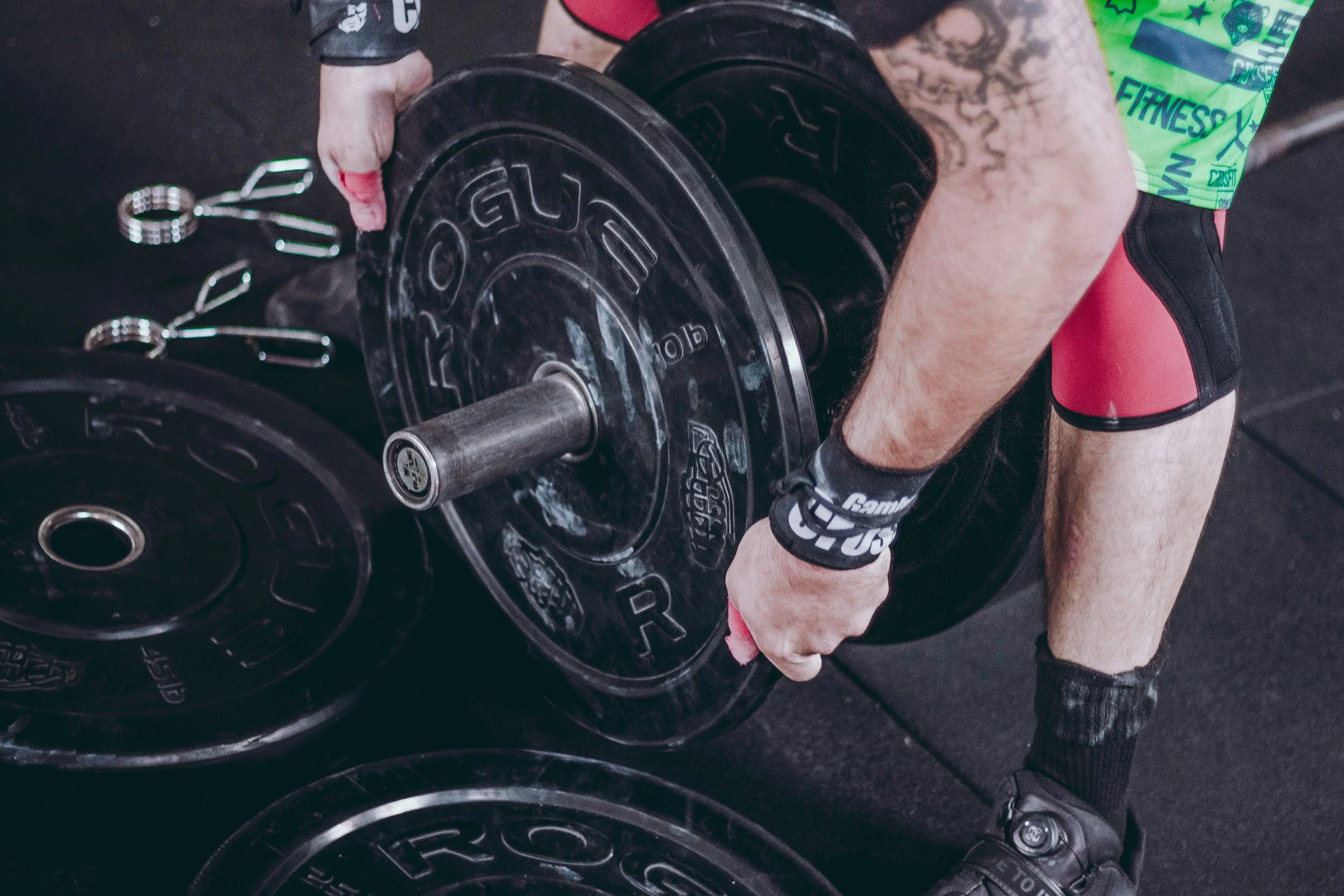
Warm-ups, a few technical singles separated by ample recovery periods, and a succession of accessory sets create very different conditions. Don’t categorize a session solely as “anaerobic” and thus expect the same glucose response throughout the entire workout. Track when and where glucose changes took place, including rest intervals, food and insulin context. While brief bursts of maximal effort depend upon efficient energy utilization, energy systems overlap. A muscle does not rely exclusively on one energy pathway throughout the session.
The EASD/ISPAD exercise position statement explains that glucose response depends on activity type, amount of insulin on board, nutrition, timing and more. Just because something falls under the umbrella term “exercise” does not mean it is necessarily going to increase glucose. And labeling something as “anaerobic” certainly does not protect against hypoglycemia. The statement does not provide one insulin dose for every Olympic weightlifter.
Prepare supplies and check equipment contact
Prior to beginning that first warm-up, know where your fast-acting low treatment are, along with your back-up glucose meter. Don’t go searching around a locker room trying to find your gear when you are in the middle of a session. Tell your coach how to support you if you need to pause; use the glucose checking and treatment plan agreed with your diabetes team. Discuss any concerns in advance prior to initiating any sort of technique work.
Think through any potential contact points your gear might come into play during lifting—belts, clothing around the waistband region, the barbell itself or the bench you may use. Follow the manufacturer’s instructions for approved placement and securing equipment. If a site is dislodged or delivery is interrupted, use your established backup plan.
A front-rack position, bar contact and clothing movement deserve a check before heavy attempts. A dry run with the coach can reveal tubing that catches or a device under pressure. Keep supplies somewhere you can reach between attempts.
Match the plan to the session
Through discussions with your diabetes management team, decide upon a plan that incorporates appropriate dosing, meal timing, and activity considerations based on your expected training program. Provide any pertinent information relating specifically to your training regimen.
Discuss strategies in case things change in the gym. Perhaps your coach decides to add additional time onto the training session. Or perhaps he increases the conditioning load. Maybe more time will get spent refining technique. While there may exist an optimal approach, sometimes circumstances will dictate alterations. You don’t want to wing those scenarios blind.
Plan meals ahead of heavy lifting sessions. Familiar meals, snacks for sessions that run late and fast-acting low treatment have different jobs. Avoid replacing routine meals with strict protein-only consumption or assuming carbohydrates guarantee a dangerous spike. If eating close to repeated bending makes you uncomfortable, discuss the size and timing of meals with a registered dietitian.
A hypothetical change in the evening session
For a hypothetical evening session, An athlete enters the training center prepared for pure technique work, but receives a few rounds of squats following his snatch work. The useful observation is that the session diverges from expectation. Note the extra workload, increased total session time and delayed meal schedule then follow your established glucose response plan. A high reading does not prove that insulin has stopped working.
The broader T1D exercise consensus discusses factors affecting exercise management; it is not a universal dosing protocol for this sport. For unexpected sensor readings, follow your CGM’s instructions, including meter confirmation when symptoms or expectations do not match. Do not delay low treatment or urgent help when needed.
Continue the plan after training
Post-training glucose drops may occur hours later—including overnight—even if blood sugar was elevated during training. Consult your diabetes management team regarding monitoring and actions post-exercise. The ADA’s exercise guidance discusses this delayed risk.
Take useful notes for the next session
Track information such as specific lifts performed, whether conditioning took place, timing and its relationship to meal times, and any interruptions in training due to managing diabetes needs.
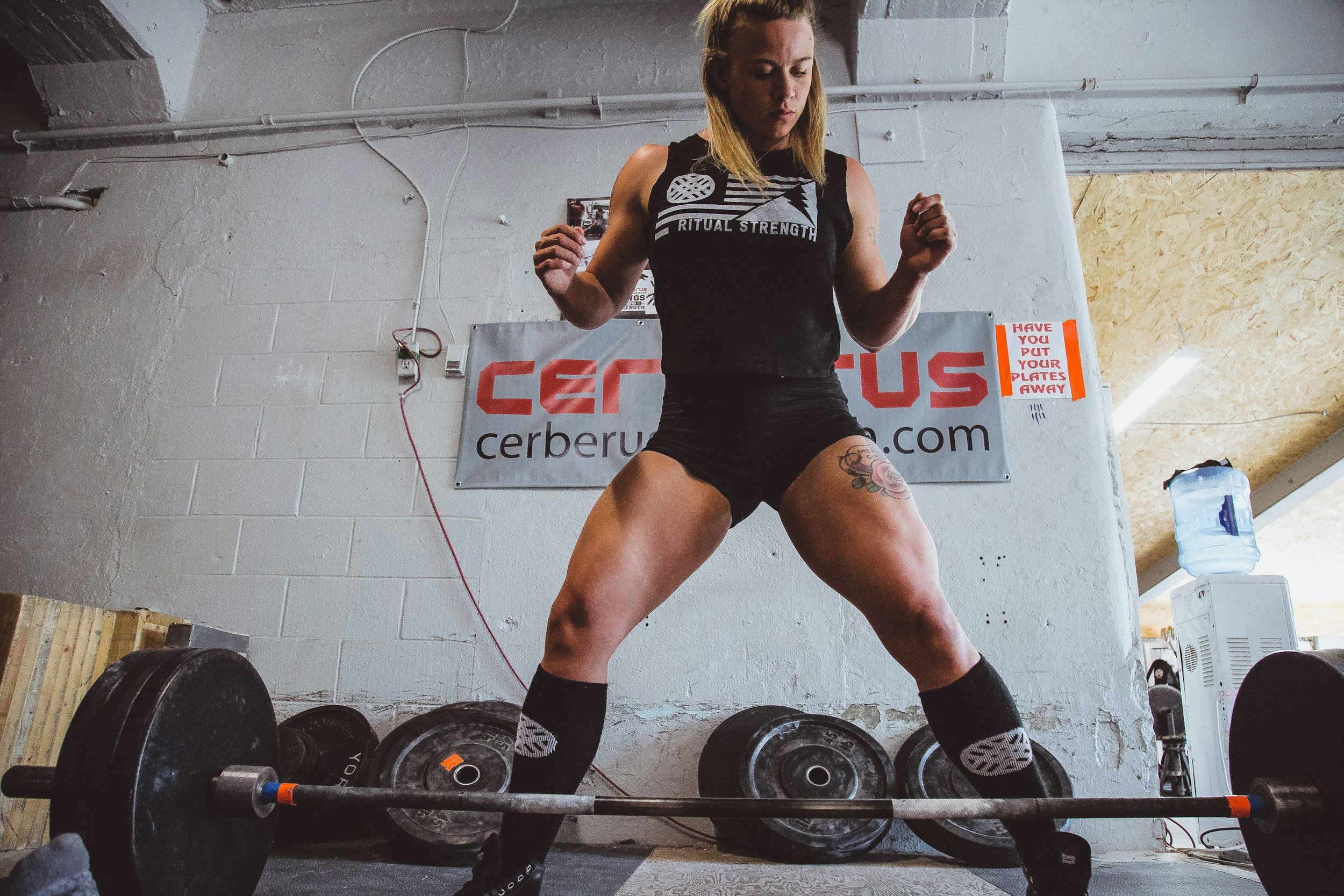
Document any glucose changes which took place during the recovery period.
Asking these questions allows your team to fine-tune your approach through several training sessions. Use these notes to assist your training program and leave room to address issues related to diabetes.
Review your results with your coach and diabetes team. Analyze sessions focusing on technical skills, heavy singles, or accessory movements individually. Monitor performance and glucose response not just on the platform but afterward as well. Improvement can come from refinement of technique skills and sustaining an effective routine. You do not need a perfect glucose trace or a personal record at every session. Use what you learn about snatch, clean-and-jerk and accessory sessions to ask more specific questions, rather than copying a pre-training dose from another lifter.
For the wider overview, read Strength Training With Type 1 Diabetes. The guides to insulin on board and aerobic exercise, lifting and glucose explore related questions. For help fitting food and training into your life, contact Enigma Nutrition to ask about individualized care.