Lifting with Insulin on Board: Read More Than the Number
You start two workouts at a similar glucose level, but the sessions unfold differently. One detail worth reviewing is insulin on board, or IOB: the device’s estimate of insulin still acting from delivery it tracks.
That estimate is useful before picking up the barbell. It does not measure everything affecting your glucose or provide a simple green light for training. Read it alongside recent meals, insulin history, symptoms, glucose direction and the session you have planned.
What is your device showing?
Devices calculate IOB differently. The model, software and operating mode matter, so the number on one system is not necessarily equivalent to the same number on another.

For example, Tandem explains that when Control-IQ+ is enabled, its calculation includes basal delivery above or below the programmed basal rate as well as boluses. Reductions in delivery can affect the displayed estimate. This is a feature-specific calculation, not a direct measurement of all insulin in the body. Tandem: insulin-on-board calculations (opens in a new tab)
A zero display does not mean no insulin action
Do not assume that zero on the screen means no insulin can affect your glucose. What the system counts and displays depends on its calculation. Insulin given outside the pump may also need to be considered separately, according to your care plan.
Ask your diabetes care team to explain what your device includes, how to review delivery history and what limitations matter for your exercise plan. A screenshot alone cannot settle a dosing or training decision.
Put insulin and meals on a timeline
Instead of recording only “IOB was high,” note when you ate, when insulin was given, when training started and what happened afterward. Include corrections, automated delivery when relevant and injections not recorded by the pump.
The EASD/ISPAD position statement describes how glucose responses to exercise vary with insulin on board, meals, timing, intensity and other factors. It also discusses differences between automated insulin-delivery systems. No category of exercise guarantees one glucose response. EASD/ISPAD: automated insulin delivery around exercise (opens in a new tab)
An entry such as “lunch before the gym, meal bolus recorded, rest periods shorter than planned” gives your team more context than the starting number alone. You are recording what happened, not trying to infer a new dose from the log.
Two hypothetical sessions
Imagine a lifter starting one session soon after a meal and its insulin, and another session later in the day with a different recent insulin history. The starting glucose number happens to be similar. That does not make the situations interchangeable.
Meal timing, recent corrections, automated delivery and the workout can all change the context. The comparison gives the team questions to review; it does not prove which factor caused a change or supply a universal rule about when to lift.
Build a pre-workout check you can use
Follow your agreed routine for checking glucose, direction, recent insulin, symptoms and the planned activity. Include what to do if the session changes or the readings do not match expectations.
Questions for your written plan might include:
- Which delivery history should I review before this type of session?
- How do meals, corrections and insulin given outside the pump fit into that review?
- What symptoms or glucose patterns mean I should pause, check or postpone?
- What monitoring is needed during the session and afterward?
- What should I do if training starts late or runs longer than planned?
Carry your usual checking and low-treatment supplies, and make sure a training partner knows your emergency plan. The ADA explains that people using insulin may need individualized food and medication planning around activity. ADA: blood glucose and exercise (opens in a new tab)
An IOB reading does not rule out a low. If you have a low alert or symptoms, safely pause training and follow your personal checking and treatment plan. Do not continue lifting while waiting for the estimate to change.
Planned fueling and low treatment are different
Food chosen to support a session is part of your fueling plan. Treating a current low is a response to an immediate problem and must follow your hypoglycemia plan. A planned meal or a screenshot of IOB should not be used as a reason to delay needed treatment.
Discuss both situations with your team so you know which instructions apply. They can help you plan for familiar meals and sessions while keeping a clear response to unexpected lows.
Why there is no single safe IOB cutoff
Rules such as “never lift with IOB” or “this IOB is always safe” leave out too much. The same displayed estimate can accompany different meal timing, insulin sensitivity, glucose direction, delivery methods and sessions.
Ask your care team which information changes your training decision and how to respond. The useful outcome is a personal plan for monitoring and adjustments, rather than an instruction to experiment with insulin settings on your own.
Compare sessions, not perfect graphs
If similar sessions produce different results, compare the timeline: meals, insulin, activity, device mode and the hours afterward. Include the warm-up, duration and any changes in rest periods or exercise selection. A later low can be relevant even when the workout itself looked uneventful.
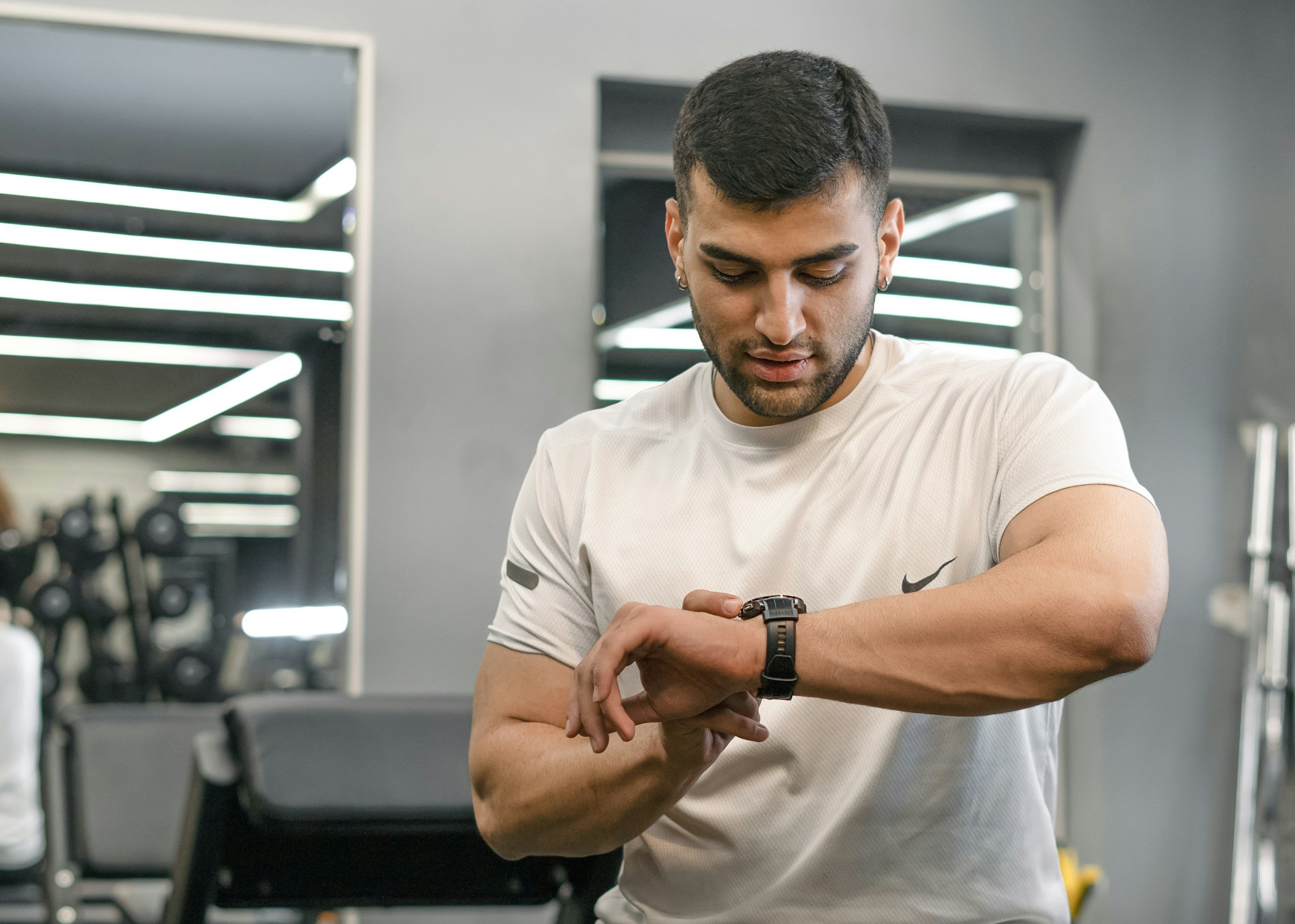
Bring a few specific records to an appointment. You do not need a flawless graph to make the discussion useful. Nutrition support can help coordinate meals and training alongside the insulin plan established with your diabetes care team.
For more preparation resources, visit the T1D strength-training guide. Want help planning nutrition around exercise? Contact Enigma Nutrition to discuss your goals and available care.
This article provides general education. IOB calculations and device features vary; follow your exact instructions and individualized diabetes plan.