Highland Games With Type 1 Diabetes: A Planning Checklist
Let's talk about what goes into a day at the Highland Games. Getting there early, spending a significant amount of time outdoors and navigating around multiple events means that there is quite literally much more involved than just planning for a successful throw. It's more than a matter of knowing when the event takes place.
Below, I'll cover how you apply your diabetes and sports nutrition planning to a day of events. I will say outright here that this information does not present an evidence-based protocol for insulin dosing at Highland Games events and it cannot predict your glucose response.
Get the logistics before competition day
Find out what times competitors check in, what order events are happening in, whether there will be breaks and opportunities for access to food during the day. Ask how to keep necessary medical supplies accessible around the competition area. Understand that the schedule presented to you is a rough guide, so pack accordingly so your meal planning doesn't rely heavily on a very specific timeline.
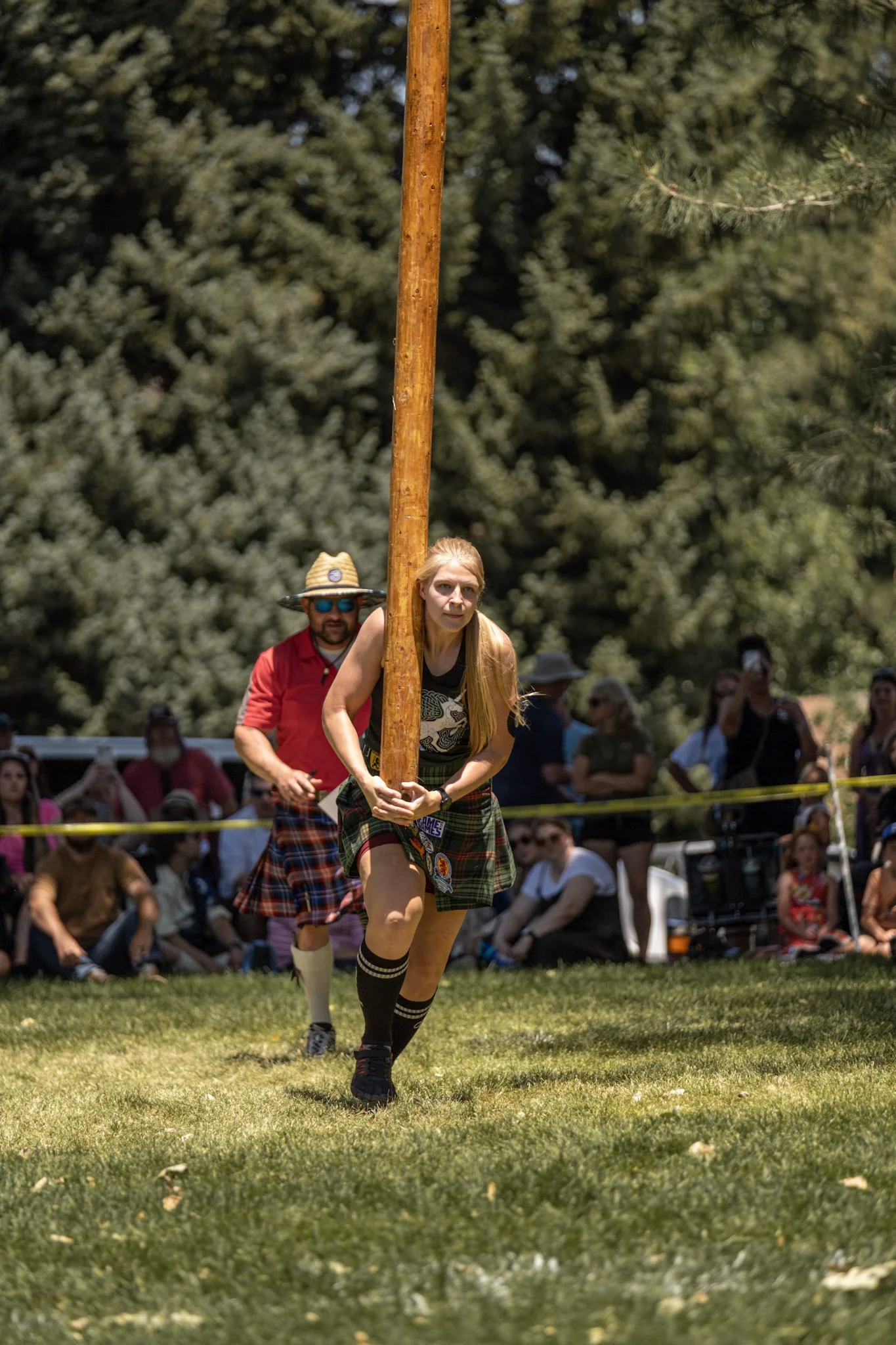
A variety of games take place at Highland Games, involving stones, weights, hammer, and caber events among others, interspersed by extended waits between competitions. A specific schedule might change, so ask for the schedule and plan based on it rather than assuming a fixed amount of time. Check whether leaving the field for meals is practical and where supplies can be stored.
Don't plan everything to stay locked away in your trunk the entire day and expect others to know where and how to access supplies for you in an emergency. Keep critical medical equipment within easy reach throughout the day.
Make room for familiar food and drinks
Figure out what kinds of familiar meals or snacks you could take with you. Identify options that you would be comfortable eating during available breaks. Apply general sports nutrition guidance to match food and beverage intake to your physical activity and needs. However, recognize that participating in such a long event doesn't necessitate constant carbohydrate consumption as though it were an endurance race.

Pack fast-acting low treatment and prescribed emergency supplies separately from your meals and snacks. Routine fueling and low treatment are not interchangeable; use your established treatment and recheck plan if a low occurs.
Food examples include sandwiches, fruit, crackers or another option you know you tolerate, adapted to safe storage and your needs.
Sports drinks might factor into your personal meal plan, yet ongoing sips aren't universally necessary, and you aren't restricted solely to liquids. Distinguish meal planning strategies from the practice of preparing low treatments.
A hypothetical delay in the schedule
For a hypothetical example, an athlete expects to eat after an early event, but a delay pushes that event and the meal later. A familiar portable snack gives them another food option. Keep low treatment separate and follow the established diabetes plan; this example does not specify an insulin dose or an hourly carbohydrate requirement.
Plan for weather and safe storage
Understand your medications' storage limitations as indicated in their packaging. Plan ahead to maintain proper storage temperatures under varying weather conditions. Think about interactions between weather and storage as well as your planned clothes and equipment set-up for each activity in advance. Try the placement of all gear before game day.
Use safe food and drink storage and appropriate transport containers for supplies. Take medical monitoring equipment and prescribed emergency supplies. Bring the backup insulin-delivery supplies specified in your individual plan. Keep all heat sensitive medications and devices under appropriate storage guidelines.
Know where shade, toilets, water and first aid are located. An outdoor day may need a different backup plan from an indoor training session.
Drinking water does not replace missing insulin or provide a correction for high glucose. Weather impacts not only your hydration status but how you store supplies. Create a practical contingency plan rather than relying on the same checklist used for an indoor meet.
Check clothing and devices before the throws
Think about what happens with your clothing choices and insulin pumps, CGMs, or infusions while you compete. Practise movements in the planned clothing beforehand, following device instructions, making sure tubing won't get tangled up and that nothing presses down on monitors or infusion sites while competing. Coordinate with your helper on how to handle your supplies.
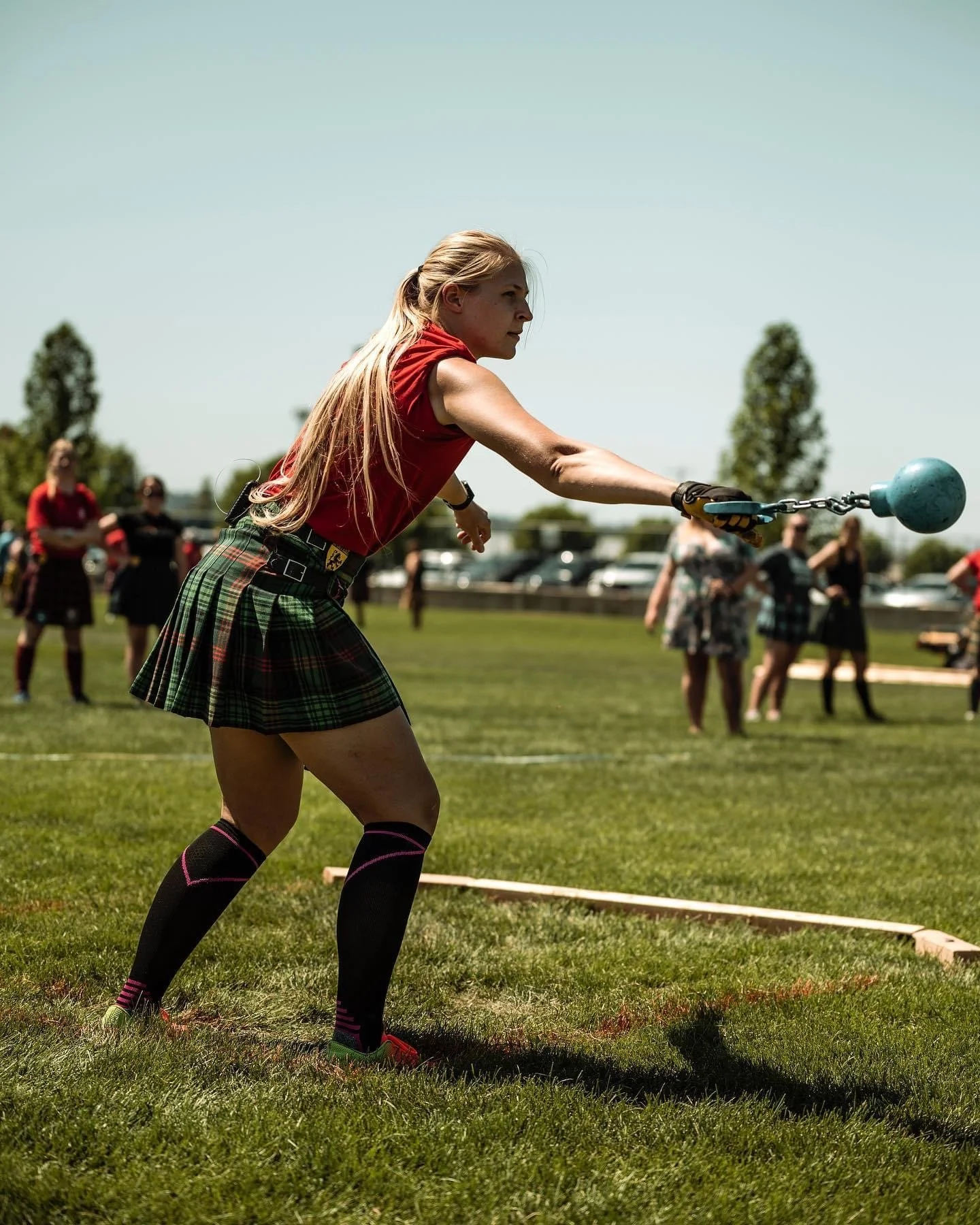
Do not assume spectators or officials understand a glucose alarm. Coordinate with the person helping you so the supplies and emergency plan are clear.
Arrange support and keep the safety plan
Select a trusted individual to accompany you to the game who understands the location of your medical supplies. Ensure anyone capable of administering prescribed emergency treatment knows how to deliver it. Locate the designated event first aid station(s). Follow your established plans for unexpected glucose readings and illness. Do not exercise with high glucose and ketones; use your ketone/sick-day instructions. Suspected DKA needs urgent medical care. Your diabetes safety plan still applies; do not ignore it or chalk a high glucose level up to "competition adrenaline."
Recognize that glucose may dip hours after physical activity even if it has risen during the event itself. Determine appropriate monitoring and treatment following an event, using the plan agreed with your diabetes team. The ADA’s exercise guidance discusses delayed low risk.
Review the whole day, including afterward
Write down what happened during your day – what events occurred and in what order, what gaps in meals there were, the weather conditions, and any interruptions to glucose measurements or activity between events. Be sure to write down any incidents after the closing event as well, particularly those occurring overnight.
This documentation will allow your healthcare provider a better understanding of your experience than simply showing them a snapshot after the caber toss. Document what went well, find one practical issue with your strategy, and optimize that aspect for next time.
Your day goes on past the completion of the last throw. Consider the drive home, your post-event meal plan, and normal glucose monitoring routines. Reflect upon changes from your plan for the day and determine what supplies were actually useful. Do not copy a percentage correction from another competitor; medication decisions belong within your individualized plan.
For the broader overview, read Strength Training With Type 1 Diabetes. The long strength competition fueling guide focuses on food opportunities across the day. For help fitting nutrition and athletics into your life, contact Enigma Nutrition to ask about individualized care.