Powerlifting Meet Day With Type 1 Diabetes
Considering a powerlifting meet soon? You probably spend lots of time preparing the lifts, but what goes on before, during and after them? Not to mention travel to and from the meet itself, checking in, warming up, downtime…these things add even greater layers of complexity. For an athlete with T1D, those details matter alongside the attempts. This guide helps you organize food, supplies and support around the whole day.
Create a realistic meet timeline
Make a timeline covering the full day including wake-up times, meals, travel to the meet, check-in procedures, warm-ups for the lifts, attempting lifts, cooldowns and returning back home. Mark out times where meals are likely to be and potential ways to handle delays in schedule or changes to expected meal timings and locations. Check with competition organisers regarding food availability, the schedule and how to keep necessary medical supplies accessible.
Keep your meter and fast-acting low treatment accessible during warm-ups and waiting periods.
Check the organizer’s official schedule for weigh-in, squat, bench and deadlift flights. Include waiting and warm-up activity in the plan rather than counting only the attempts. Do not use insulin omission or last-minute dehydration to make a weight class. Discuss weight category decisions far in advance with your diabetes medical team.
Pack familiar food for uncertain breaks
Some examples of food options might be packed sandwiches, fruit portions, yogurt cups or crackers kept safely packaged. A protein bar may be convenient routine food, but it is not a substitute for the fast-acting carbohydrate used in treating low blood sugars.
Hypothetical Delay Between Lifting Flights
For a hypothetical example, an athlete packs familiar meals and snacks because the timetable is uncertain. A delayed lifting flight moves the warm-up later, followed by another long gap before deadlift. The practical questions are where to eat comfortably, how supplies remain accessible and how to follow the glucose plan through the delay.
Practise the equipment setup before meet day
During suitable training sessions, practise the clothing and device setup and try familiar food options. You do not need to reproduce every aspect of a meet to learn what feels comfortable and is easy to access.
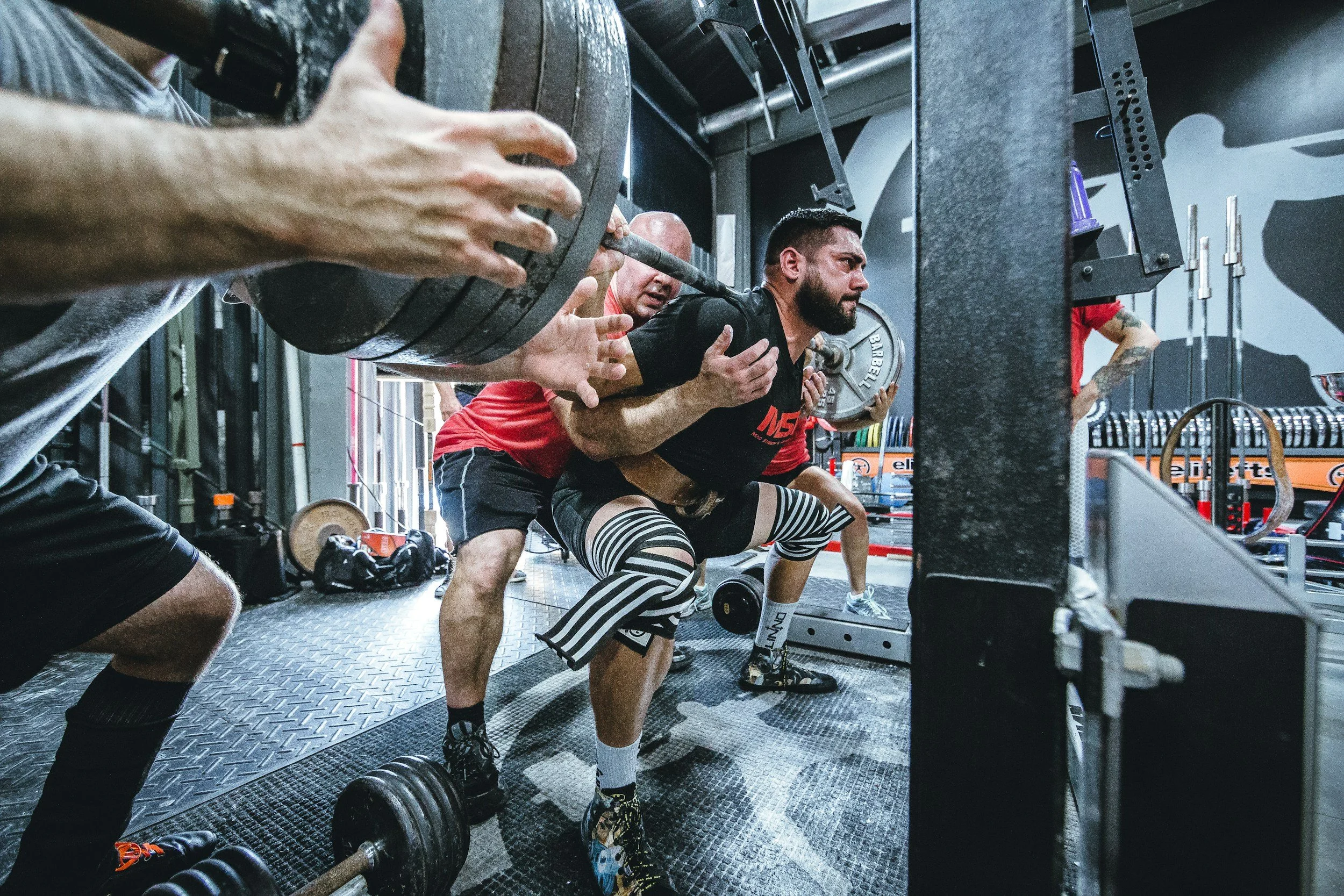
Shared equipment and changing rack heights can make the warm-up room busy. Decide where the bag will stay and how you will reach supplies when the schedule changes.
Check device contact during squat, bench and deadlift setup before competition. Follow the manufacturer’s approved placement instructions and the established backup plan if a site is dislodged or delivery interrupted.
Explain the pause plan and support roles
Do not assume a coach knows what a glucose alarm means or how you want help. Agree how you will communicate a need to pause for a check or treatment. A pause may affect warm-up timing, so having the conversation beforehand helps.

Determine who carries bags during events, where they situate them in times of delay and how assistance will be sought if required. Anyone who may provide assistance must be informed of emergency procedures and storage places for necessary medical equipment.
A coach choosing attempts and a person supporting you with diabetes can have different roles. Make those roles clear beforehand. A supporter follows the established plan and knows the emergency procedures; they do not independently choose insulin doses.
Medication decisions belong within the plan agreed with your prescribing diabetes team.
Take insulin questions to your diabetes team
There will likely be unique variables to consider when preparing for a competition versus regular training sessions including timing, food sources, emotional stressors, level and type of physical activity engaged in. The EASD/ISPAD AID exercise statement discusses individual responses and system-specific considerations. Consult with your medical team about whether your current regimen accounts for any variations such as increased warm-up waiting times, unexpected glucose fluctuations, changes to activity profile timing and altered demands on insulin delivery. Present detailed information about your regular training session structure, foods consumed, devices and treatment plans. Do not copy another competitor’s correction formula or improvise a new dose at the meet. Follow your prescribing team’s instructions.
Check an unexpected high using the plan
There are multiple physiological reasons for experiencing heightened glucose numbers. You must interpret your glucose readings through your diabetes management plan including assessment of your ketone status where appropriate. Do not dismiss a delivery problem, illness or ketones as competition nerves.
Treat a low before continuing
Pause for a low and follow your treatment and recheck plan before returning to activity. Do not delay needed treatment to preserve an attempt. A coach can adapt the sports plan; the diabetes team guides the medical plan. Severe confusion, seizure or inability to swallow safely needs emergency help. Do not give food or drink if swallowing is unsafe.
Plan for travel and recovery afterward
Keep your meter, low treatment and other necessary supplies accessible during the trip home. Adhere to your meal timing strategy developed with your diabetes team.
Lows can occur hours after exercise, including in the evening or overnight. Refer to your post-exercise diabetes monitoring protocol prepared by your diabetes specialist. High blood sugar during a competition doesn’t negate later drops in blood glucose levels. The ADA’s exercise guidance discusses delayed risk.
Record useful details for the next meet
Collect data during competitions related to delays encountered, unexpected meal timings, equipment malfunctions and supporting assistance provided. Review nerves, extra warm-ups, delayed meals and a longer day alongside the glucose observations. Discuss with your diabetes specialist the impact of overnight glucose reactions. A fixed sensitivity timetable or automatic basal change is not a prediction for every lifter.
Read Strength Training With Type 1 Diabetes for the wider overview. The long competition fueling guide explores food opportunities across the day. For help organizing nutrition around training and competitions, contact Enigma Nutrition to ask about individualized care.