Insulin Injection Sites and Lifting: Avoid Guesswork
After a hard set, you can feel the working muscles swell. If you use insulin injections, it is natural to wonder whether that “muscle pump” changes how a dose acts.
Visible swelling does not tell you how quickly insulin is being absorbed. Injection technique, site, physical activity and other factors can affect the glucose response. The useful next step is to review the details rather than assume the working muscle explains a change on your graph.
Separate the injection site from the injection route
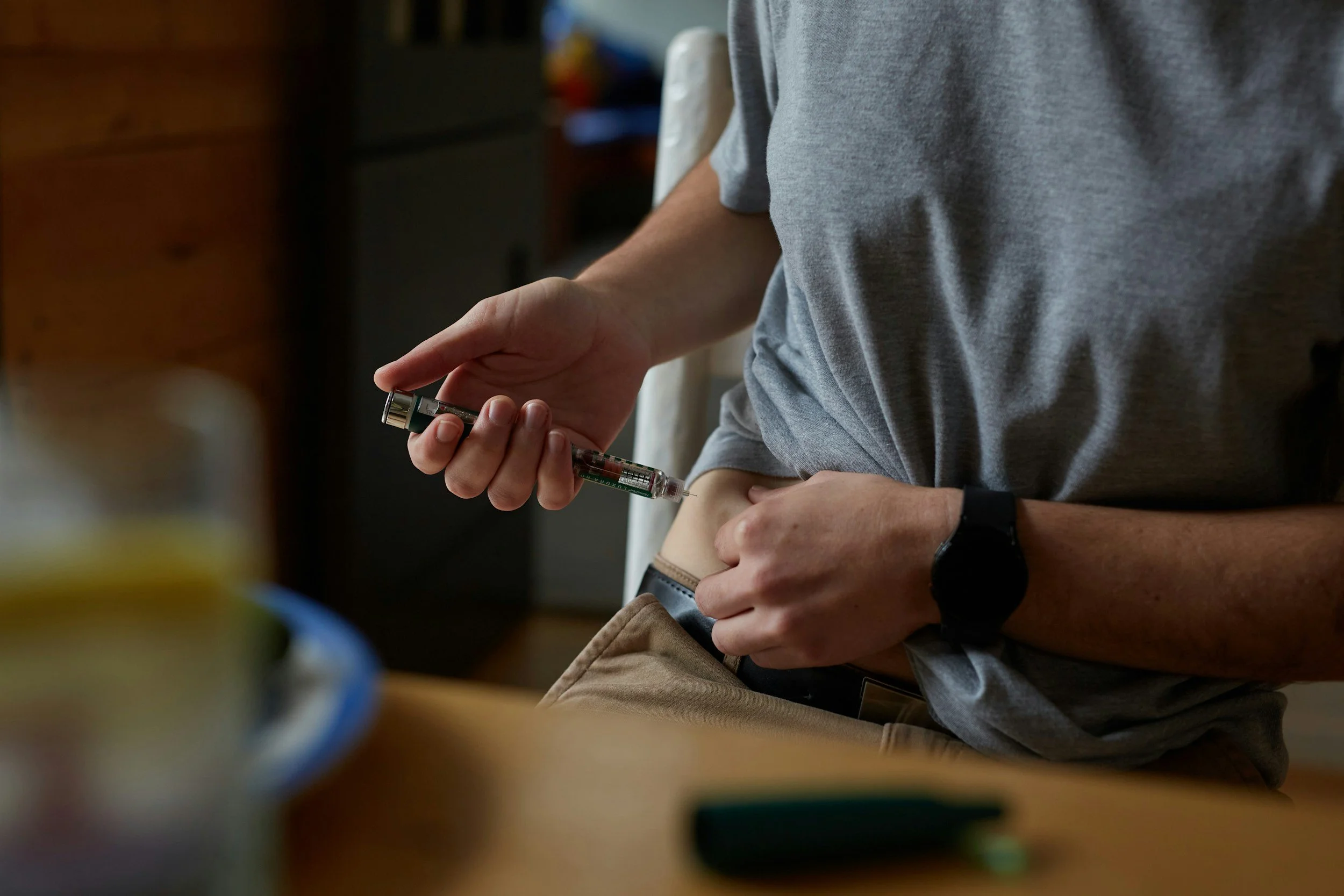
An injection into subcutaneous tissue goes into the tissue beneath the skin. An intramuscular injection reaches muscle. Injecting into an approved body region near a working muscle is not the same as injecting into that muscle.
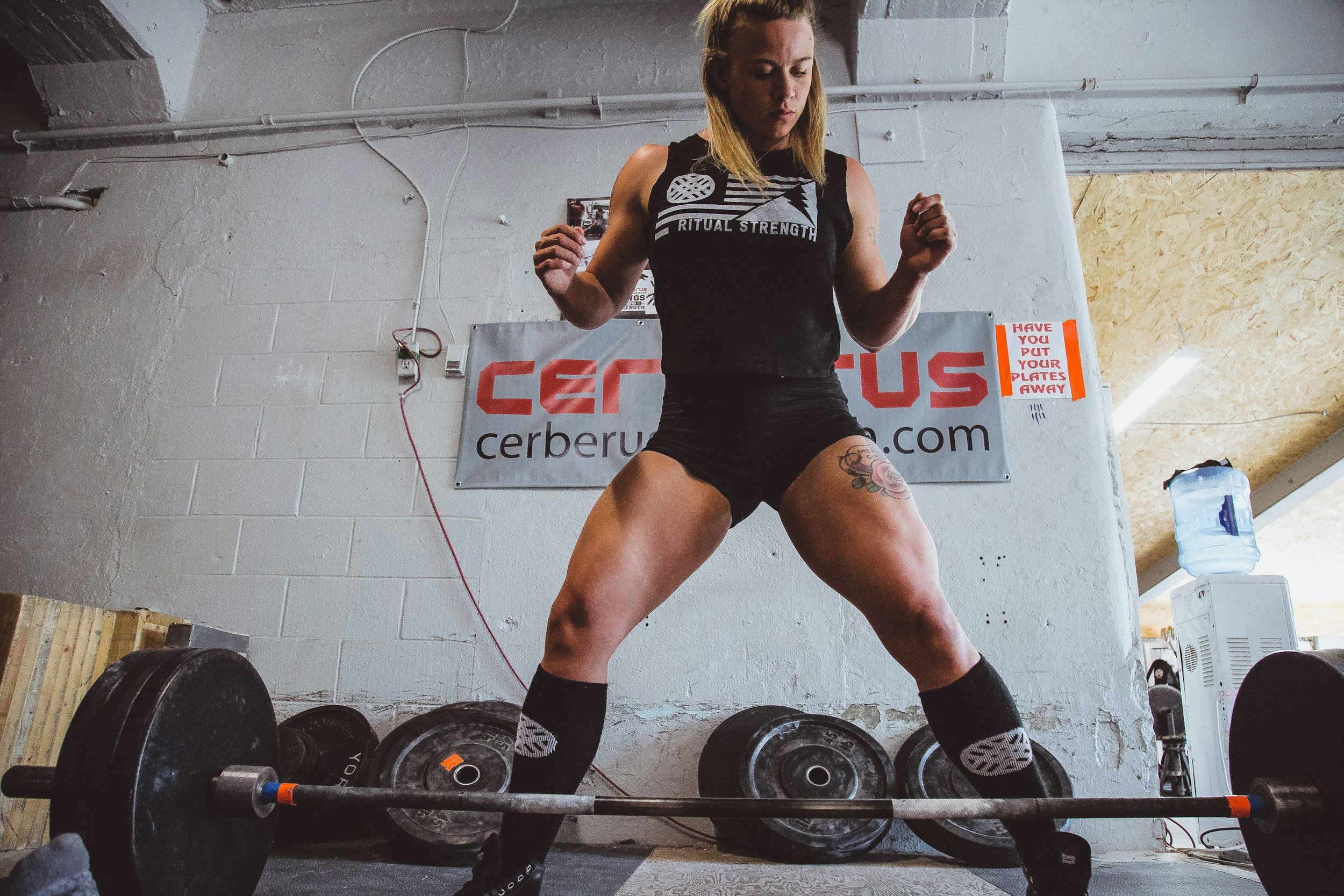
Follow the prescribed route and the instructions for your insulin and injection device. Do not change the route or depth as an experiment in response to a glucose trace.
NovoLog is one labeling example
The US NovoLog prescribing information lists the abdomen, thigh, buttocks and upper arm for subcutaneous injections. It also explains that the site and exercise can affect absorption and insulin action. Intramuscular injection is not an approved route in that labeling. The product’s intravenous instructions apply to medical supervision, not a different self-injection technique to try at the gym. NovoLog US prescribing information: routes, sites and variability (opens in a new tab)
Those details describe NovoLog. Check the instructions for the exact insulin you use rather than assuming every product has identical directions.
Ask for an injection-technique review
If you are unsure about depth or technique, ask your clinic for an observed review. Bring your insulin and injection device, including information about the needle you use. An educator can assess the technique more directly than a description alone.
You can also explain what changed: a different needle, a new body region, discomfort, a recurring glucose pattern or difficulty using the device. These observations make the discussion specific without requiring you to diagnose an absorption problem yourself.
Do not adjust needle angle or depth on your own to make insulin act faster or slower. Ask how the product instructions apply to your body and equipment, and how to monitor if a technique change is recommended.
Review site choices and rotation
Discuss site rotation with your healthcare team. Point out lumps, thickened or pitted areas, irritation, pain or other changes that need assessment. A convenient spot used repeatedly may not remain a suitable place to inject.
NovoLog labeling advises rotating injections within the same region to reduce the risk of tissue changes. It also warns that changing sites can affect glucose and may require closer monitoring. Rotation does not guarantee that every injection has identical absorption.
Pump infusion sites need their own review
For pump users, site placement also interacts with clothing, belts and lifting movements. That is a practical equipment concern to discuss using the pump and infusion-set instructions. It does not provide a blanket explanation for every change in glucose.
Keep pump-body position, infusion-site selection and injection technique separate. Advice about one does not automatically answer the others.
Record observations without assigning a cause
If glucose drops during a leg workout, note the insulin, time and site used, food timing, activity and symptoms alongside the readings. That record can help your team investigate. It cannot establish that the leg workout made insulin absorb twice as fast.
Compare sessions with similar circumstances when possible. Changes in food, insulin, sleep and activity make it harder to attribute a result to one factor. Uncertainty is a reason to bring the pattern for review, rather than fill in the explanation from a gym conversation.
A hypothetical pattern review
A lifter notices unexpected drops on several training days. They record injection timing and site, the workout and any low treatment, then bring the notes to their diabetes team. The team can review technique and other possible contributors together. The example does not identify the site as the cause or recommend a dose change.
If a low occurs, follow your checking and treatment plan promptly. Logging comes after addressing the immediate problem; a theory about absorption is not a reason to keep training through symptoms.
Prepare three questions for the next appointment
- Am I using the approved sites and technique for my prescribed insulin and injection device?
- Which tissue changes should I avoid or have assessed, and how should I rotate sites?
- Which repeated pattern should we review, and what information would help?
If a site or technique change is recommended, ask what additional monitoring is needed and whether the insulin plan needs review. Do not change the dose just because a new injection location feels different.
Severe or repeated lows deserve attention from your diabetes team. A technique review is one part of that assessment, alongside insulin timing, food, activity and other relevant information.
Keep the muscle-pump explanation within the evidence
Exercise can affect insulin action and glucose. The visible muscle pump is not a measurement of that effect. Avoid claims that it “shatters” an insulin depot, guarantees a rapid drop or gives a predictable absorption multiplier.
Nutrition support can help organize food and training routines alongside the medical review of insulin technique. For the wider picture, visit the T1D strength-training guide.
Want help planning nutrition for your sessions? Contact Enigma Nutrition to discuss your goals and available care. Insulin changes and injection technique need guidance from your diabetes care team.
This article provides general education. Follow your prescription, product instructions and individualized care plan.