Starting a Strength Routine With Type 1 Diabetes
Starting a new activity can feel daunting when diabetes planning is part of it. You do not have to get everything right on the first try. Begin with a routine you can repeat and build from what you learn.
Walking still counts. Strength training can sit alongside it and other activities you enjoy.
Make a plan that fits your week
Choose a convenient place and time. That might mean going to the gym twice a week, using resistance bands at home or attending a coached class. Find a setting you can reach consistently and feel comfortable using. You do not need an expensive membership to begin.

Look at an ordinary week before choosing the sessions. Work, household responsibilities, travel and meal times all affect what is realistic. Write down when and where you will train, what to bring and when you need to leave.
According to the American Diabetes Association’s activity recommendation, guidance for many adults includes resistance exercise on two or three nonconsecutive days each week. This is a general direction, not a requirement to start with a full programme immediately. Build up gradually, especially if you are starting from little activity, with guidance appropriate to your health.
Decide what completing the session means: arrive, warm up, practise a few movements and leave enough time to eat and recover. A first workout does not have to be exhausting to be useful. A manageable session gives you another opportunity to practise.
Learn the movements before chasing numbers
Ask a qualified strength professional to help choose exercises and a starting load that fit your experience, equipment and any physical limitations. You do not need to start with a barbell or test a maximum lift. A movement you can perform comfortably may be a better starting point.
If you have diabetes complications, new symptoms or questions about a major increase in intensity, discuss them with your healthcare team. Exercise choices may change with your medical situation. Bring specific questions about the movements or demands you are considering. The goal is to address questions about the actual session and make appropriate adjustments.
A hypothetical two-day starting routine
Imagine a beginner choosing Tuesday and Saturday sessions. Her coach selects an appropriate squat pattern, a hinge, a push and a pull. This small group of movements illustrates how a session could be organized; it is not a prescribed sequence, load or set count. Someone training with bands at home may need different choices.
Repeating familiar movements helps you practise technique and compare sessions. Progress may first mean feeling comfortable with the setup or learning how to stop a set safely. The coach can help decide when another movement or a change in workload makes sense.
Prepare your diabetes plan and supplies
Know how you will respond to falling or rising glucose using your established plan and available supplies. Keep your backup glucose meter and fast-acting low treatment accessible during the session. If you have prescribed glucagon, someone who may assist should know where it is and how to use it. Keep the supplies within reach and know how to obtain help if needed.
Check that the meter is ready, with replacement batteries if needed, before leaving for training. Check that testing strips are available and in date. Pack the food you intended to eat afterward if returning home may take longer than usual. Keep routine food separate from fast-acting low treatment; food is not a treatment for high glucose.
If you use an insulin pump or CGM sensor, you should check that clothing and movements do not catch tubing or press on devices. Follow the manufacturer’s instructions for placement and securing devices.
Ask your diabetes team how meal timing, insulin on board and device settings fit the workout. Glucose responses to exercise vary; somebody else’s settings are not a prescription for you. Medication changes should follow the plan agreed with your prescribing diabetes team.
Keep your notes useful and small
After your first few sessions, record the workout time and broad type of activity, when you last ate and took meal insulin, and anything unexpected during training or afterward. Add one question for your team. You do not need a perfect glucose trace for the session to provide useful information.
Compare what happened with what you planned. Did the session start late? Did you do extra accessory work or take shorter rests? Did an unexpected meeting move your meal closer to training? Two sessions with the same name can have different circumstances. Noting those differences makes the next conversation more useful.
The log helps you and your team recognize patterns. It is not a scorecard or a reason to change several settings independently. Repeated problems deserve review, particularly when they interrupt training or affect recovery afterward.
Build from what works
Once the routine feels manageable, choose one next step with your coach: improve technique, add a movement or progress the workload. Keep the rest familiar while you learn what changes. Consistent attendance, confidence asking for help and recovering well are useful milestones too.
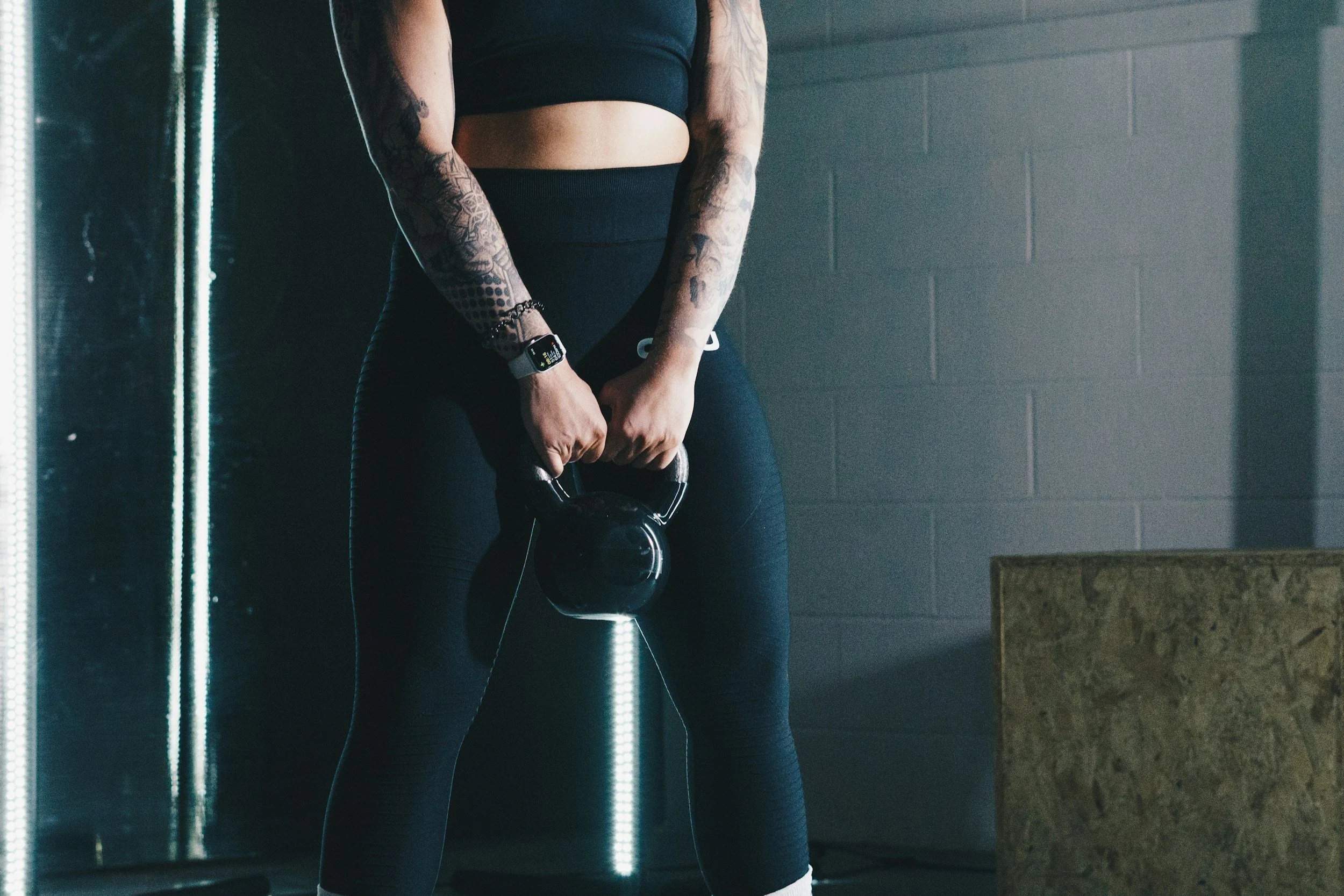
A strength coach can guide movement and workload. A dietitian can help with eating patterns and food access. Your prescribing diabetes team should guide medication changes. Bring recurring problems and your session notes to the appropriate person so the routine can improve.
See Strength Training With Type 1 Diabetes for the wider overview. If fear of a low is holding you back, the guide to lifting with confidence explores that concern. Contact Enigma Nutrition to consult on nutrition and fitness.