Worried About Lifting and Low Blood Sugar? Start Here
If the squat rack feels intimidating after a previous low, that concern deserves attention. You do not have to dismiss it as a lack of motivation or wait until you feel confident before asking for help.
The ADA recommends addressing fear of hypoglycemia within diabetes care, with additional support when it interferes with daily life. Your diabetes team and coach can help plan a manageable next session.
Identify your fear
“Exercise makes me anxious” can mean several things. You may worry about a low during a set, whether a sensor alarm will alert you or whether you will recognize symptoms while lifting. You might be unsure whether a meal bolus is still active. You may worry about a low on the drive home or overnight, or feel embarrassed about stopping in front of others. Naming the concern helps identify the support you need.
Describe a specific situation that worries you, what happened previously and what remains uncertain. Fear during squat setup is different from worry about sleeping after an evening workout. The practical answers may differ too.
Share the situation with your diabetes team and coach. It gives them a specific question to address together. You are asking for help with a concern, not proving whether you are motivated enough to train.
Agree on a pause plan before lifting
How will you deal with an incoming low alert? Who can help if you need them? Agree how to end the set safely before the workout. Knowing where to put the weight and where supplies are can make pausing easier when an alarm or a difficult repetition needs your attention.
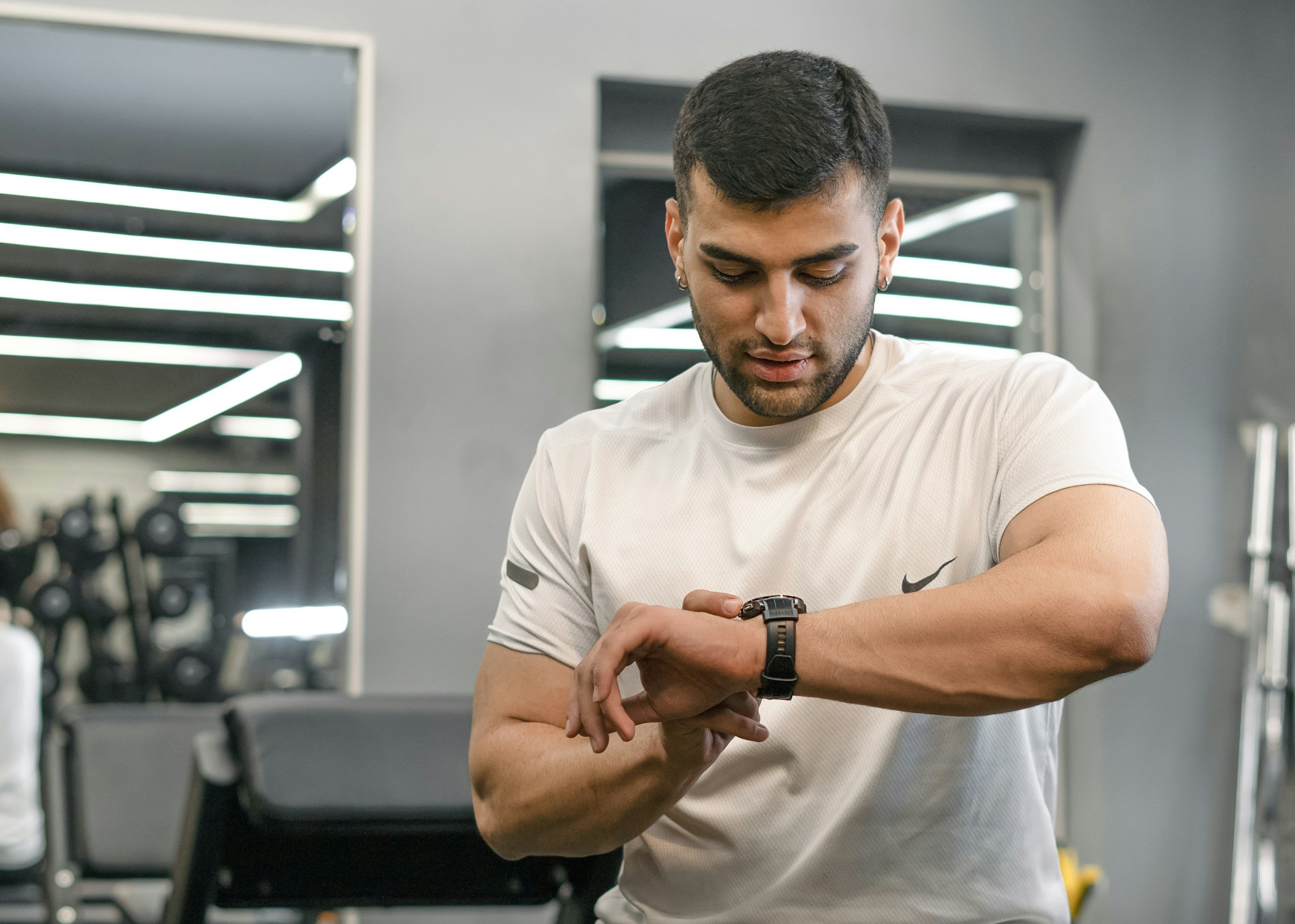
Tell a coach or training partner how you want support if you need to stop. For example: “If I need to stop, I need space to check and treat my glucose.” Show them where the meter, fast-acting low treatment and prescribed emergency supplies are kept. Someone who may assist should know where prescribed glucagon is kept and how to use it.
Follow your established low-treatment and recheck plan. Hypoglycemia education and access to treatment are part of preparing for activity. A blog cannot decide whether a particular reading is safe for you to train through. Confidence is not a reason to dismiss symptoms or alerts.
A spotter can help with the lift but does not replace your diabetes plan. If you train alone, discuss suitable support and emergency arrangements. Loss of consciousness, severe disorientation, seizures, and inability to swallow require urgent care. Do not give food or drink to someone unable to swallow safely. Follow the prescribed emergency plan, including glucagon if available.
Choose manageable steps when returning
You do not have to begin with the movement that worries you most. Practise technique with a coach, choose an appropriate variation or keep the first session familiar and short. Set manageable goals that fit your experience and health.

A hypothetical return to the squat rack
Imagine an athlete beginning with the rack setup, checking the safety arrangements and practising with an appropriate starting load. At the next session, the coach might repeat those tasks and add one manageable step. This illustrates gradual practice, not a rigid programme or treatment for an anxiety disorder. The exercise choices and pace should fit the person. The aim is familiarity with the equipment while following the agreed glucose plan, not proving that a low cannot happen.
Avoid changing meals, the training programme and device settings all at once; it becomes harder to understand what helped. Medication changes should follow the plan agreed with your prescribing diabetes team. Suggestions from another lifter do not replace the plan agreed with your prescribing team. Stick to the plan you agree upon with relevant professionals.
Ask the right person the specific question
Ask the coach about rack setup, technique and how to end a set. Ask the diabetes team about trends, active insulin and circumstances in which training should be delayed. A dietitian can help with meal timing, food access and the distinction between ordinary fueling and low treatment.
These professionals can work together. A specific example makes the conversation easier: “I feel comfortable starting, but I do not know what to do if the alarm sounds during a set.”
Review the session without grading yourself
Note what you expected, what actually happened and what support you used. Include the hours after training if delayed lows are part of your concern, using your agreed monitoring plan.
Also note one thing that felt easier and one uncertainty that remains. Perhaps the supplies were closer, the coach understood the concern or you practised pausing without feeling rushed. Record actual symptoms and treatment decisions for medical review.
A session with a check or treatment break still provides useful information. Needing a break does not mean you failed at strength training. Confidence can grow from preparation and repeatable experience without a perfect glucose trace. If uncertainty keeps returning, use the notes to ask for a clearer plan.
Get more support when worry keeps growing
Tell your diabetes team if fear makes you avoid activities you want to do. Also tell them if fear leads you to deliberately keep glucose high, lose sleep or repeatedly check in ways that feel distressing or hard to control. Recurrent lows also deserve medical review. The team can review the glucose plan and connect you with a behavioral health professional familiar with diabetes when appropriate.
Psychological support can sit alongside training and diabetes education. You do not need to become fearless before starting; you need a plan that takes your concerns seriously.
Refer to Strength Training With Type 1 Diabetes for overall information. The guide to starting a strength routine outlines primary considerations. Contact Enigma Nutrition to ask about individualized nutrition care.