What to Eat Before Lifting With Type 1 Diabetes
Eating to fuel workouts with type 1 diabetes can involve many moving parts. Carbohydrates often take center stage because they affect glucose, but the meal, insulin and workout all deserve attention. A meal that works well one day may produce a different result on another day. That is a reason to look at the circumstances, not to blame yourself for eating carbohydrates.
You do not need to eat the exact same meal every day. Start with foods you enjoy and tolerate, then consider how they fit your training and diabetes plan. The goal is a practical routine you can use on an ordinary day.
Decide what the meal needs to accomplish
Before choosing ingredients, ask when you are eating in relation to training. Is this breakfast before work, lunch before an afternoon session, or a smaller option between appointments? How long will you train, and when will you next have access to food?
Sports nutrition guidance recommends tailoring the type, amount and timing of food to individual needs and training demands. A lifting session with long rest periods presents a different schedule from an entire competition day. Thomas, Erdman and Burke: Nutrition and Athletic Performance (opens in a new tab)
Write down one meal possibility for your usual training time. A familiar meal gives you something concrete to discuss and refine. You can still vary ingredients to suit your tastes, budget and available food.
Allow room for changes in the day
Food planning includes access as well as ingredients. If lunch gets delayed or training begins later than expected, what familiar food could you bring or buy? Pack an option that you can store safely and that fits your existing plan. A backup should make the day easier, rather than turn a missed meal into deliberate fasting before a difficult session.
Use meal examples as options to adapt
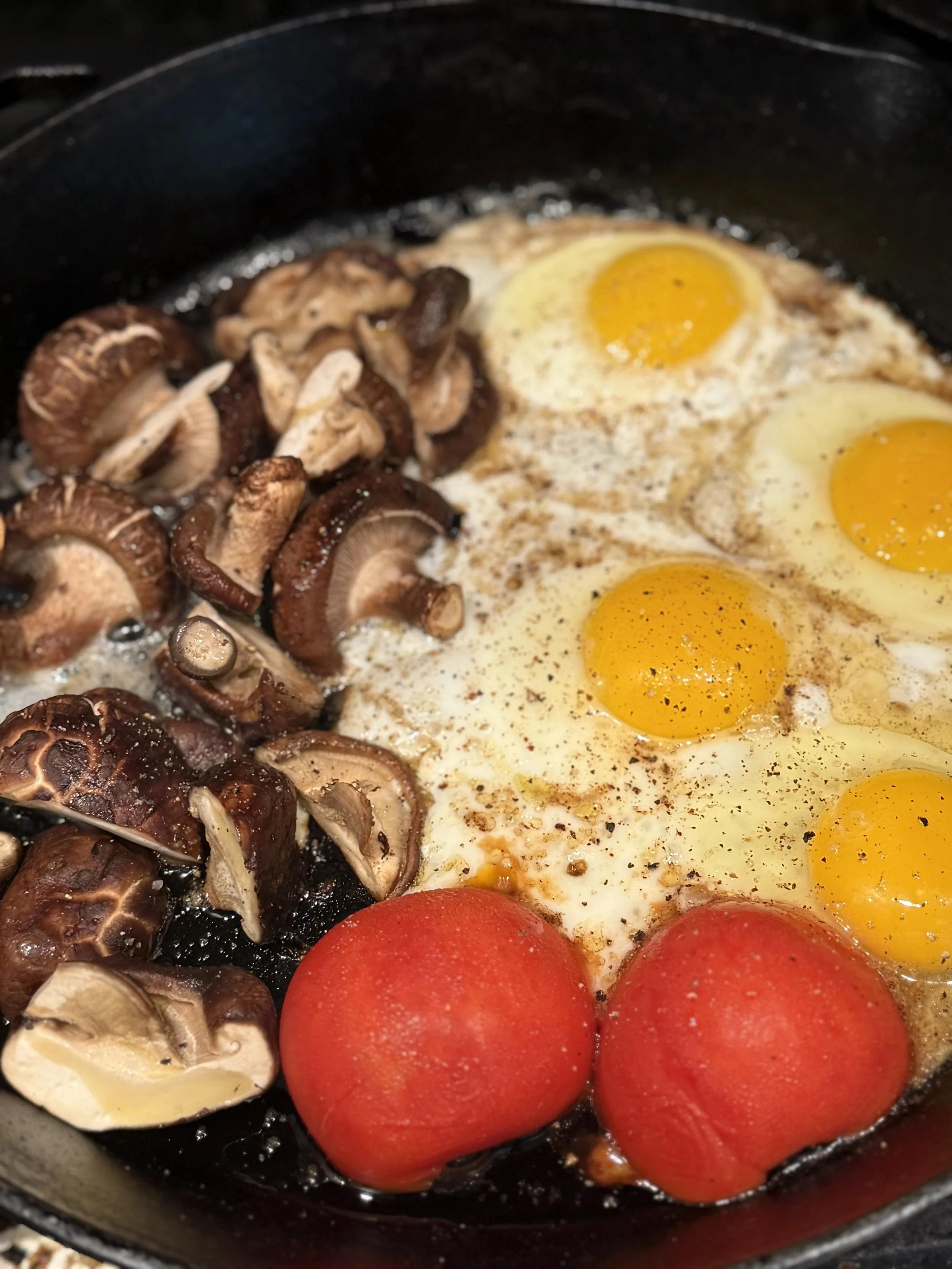
When you have time to eat and digest comfortably, oatmeal with milk or a suitable alternative and yogurt could be one option. Toast with eggs and fruit is another. A rice bowl with tofu, beans or chicken may fit an afternoon schedule.
For a smaller option closer to training, familiar toast, yogurt or fruit may be convenient. The amount and combination depend on appetite, allergies, food preferences, the session and your glucose-management needs. These examples do not mean everyone needs an extra snack before every workout.
Carbohydrate-containing foods can belong in a type 1 athlete's routine. Protein and fat can also be part of a meal, but adding them does not guarantee a particular glucose response. Food does not need a sports-nutrition label to be useful before lifting.
Record comfort as well as glucose
A nutritious meal can feel too large immediately before squats. That does not make the food a poor choice in every situation. Consider discussing its amount, timing or combination before eliminating it altogether.
Notice fullness, nausea or other digestive discomfort alongside the glucose pattern. A meal that fits a relaxed morning may not feel comfortable when eaten hurriedly on the way to the gym. Bringing that detail to a dietitian makes the conversation more useful than simply reporting that a food “didn't work.”
A banana does not always cause a spike just because it was eaten at a particular time. Portion, the rest of the meal, recent insulin and surrounding activity matter. One reading cannot tell you which of those factors explains the result.
Keep fueling separate from treating a low
A planned meal and a low-glucose treatment serve different purposes. Keep your usual fast-acting carbohydrate treatment accessible on training days, even when you have packed food.
If glucose is low or you have symptoms that could indicate a low, safely pause and follow your personal checking, treatment and recheck plan. Resume only when it is safe under that plan. Do not assume oats, eggs or a mixed meal replace prompt low treatment. CDC: low blood glucose signs and treatment (opens in a new tab)
Feeling hungry before lifting is also different from confirming that glucose is low. Use your monitoring and care plan to guide the response rather than treating every sensation as the same problem.
Review food and insulin together
The type 1 diabetes exercise consensus considers glucose, its direction, food and insulin when planning activity. A blog cannot determine your meal dose, insulin adjustment or required carbohydrate amount for a particular workout. Riddell and colleagues: exercise management in type 1 diabetes (opens in a new tab)

Bring two or three ordinary training days to your care team. Record what and when you ate, insulin timing, the session and glucose through recovery. Include any automated pump activity settings, a delayed start or an unexpected change in the workout.
For example, a hypothetical lifter might bring records of a familiar afternoon rice bowl followed by training. The question is whether the timing, food amount, insulin and session fit together. The record provides context; it does not prove that the rice caused every glucose change.
Avoid changing food, insulin and the workout together unless your care plan requires it. Agree on which question you are reviewing and what to do if the day changes. Useful appointment questions include:
- Does this meal suit my usual training time?
- What should I do if the session starts late?
- What is my plan when glucose is falling before I begin?
For the wider picture, visit the T1D strength-training guide. For help building meals around your sessions, contact Enigma Nutrition.