Glucose Rising After Heavy Lifting? What to Check With T1D
You finish a heavy set, look at your CGM, and see glucose climbing. It is tempting to treat the number as a verdict on the workout—or immediately add more insulin or cardio.
Pause long enough to understand the situation. A rise can occur around intense exercise, but the workout is not the only possible cause. Your next step should come from your established diabetes plan, not an automatic reaction to one arrow.
A rise can happen without making it inevitable
Intense effort can increase hormones that stimulate glucose release, while the balance of glucose use and available insulin affects the result. That does not mean your liver thinks you are near death or that insulin has stopped working. The T1D exercise consensus discusses these responses.
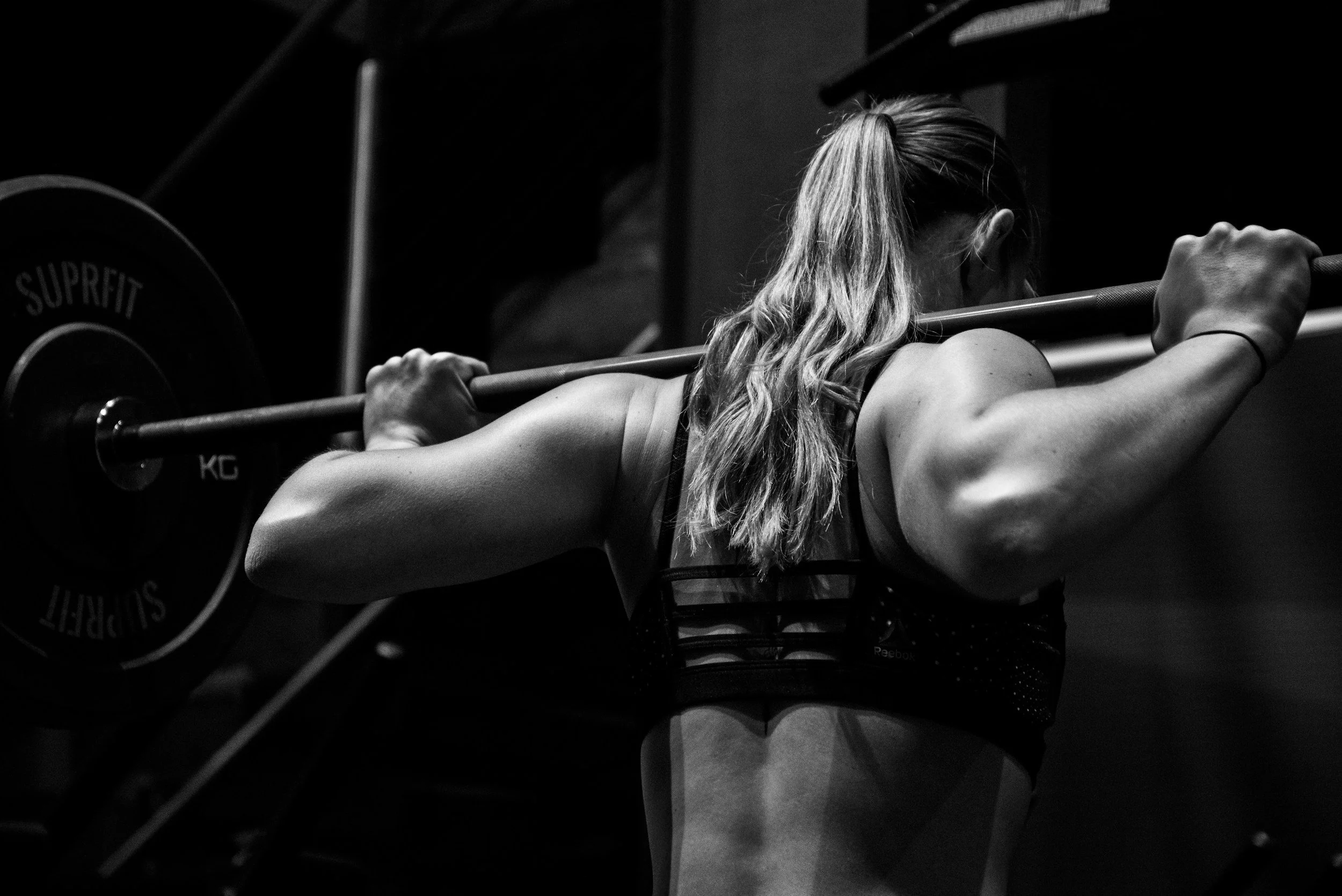
Do not assume all lifters have the same response. A rise during a hard attempt, a high that began before training, and a persistent high after suspected pump trouble need different attention.
First, check the reading and how you feel
Look at the glucose level, direction, timing, and symptoms. If a sensor reading is unexpected or does not match how you feel, use a blood glucose meter as directed by your device instructions. CGM measures interstitial glucose and can differ from blood glucose during rapid changes. See the exercise-CGM position statement.
If you feel significantly unwell, stop lifting. Do not wait to finish a set or gather a perfect data record before following your care plan.
Next, check the context and insulin delivery
Review recent food, insulin doses, and any low treatment. If you use a pump, check for a disconnected or displaced set, leakage, an alarm, or another delivery problem. Use the troubleshooting and backup-insulin instructions supplied by your team; a normal-looking screen cannot establish that every dose reached you.
Check ketones when indicated by your high-glucose or sick-day plan, especially with persistent unexplained highs, illness, or suspected interrupted insulin. Do not exercise with high glucose and ketones. ADA explains this exercise boundary.
Vomiting, abdominal pain, deep rapid breathing, or inability to keep fluids down with suspected ketoacidosis requires urgent medical care. These symptoms should not be dismissed as a hard workout. CDC lists DKA warning signs.
Use the correction plan you already agreed on
If your plan calls for a correction, account for insulin already acting and follow its recheck instructions. Repeated doses close together can overlap; a persistent arrow is not by itself an instruction to add another dose. Do not turn this article into a reason to withhold insulin that your established plan calls for.
Automated systems may already be adjusting insulin. Their calculations, targets, and correction behavior differ, so a manual strategy copied from another pump user may be inappropriate. The EASD/ISPAD AID statement covers these differences.
Record the recovery, not just the peak
For the next routine review, save a few representative sessions with their meals, insulin, working sets, and any conditioning. Include what happened after leaving the gym and during the night when available. A high immediately after training does not rule out a later low.
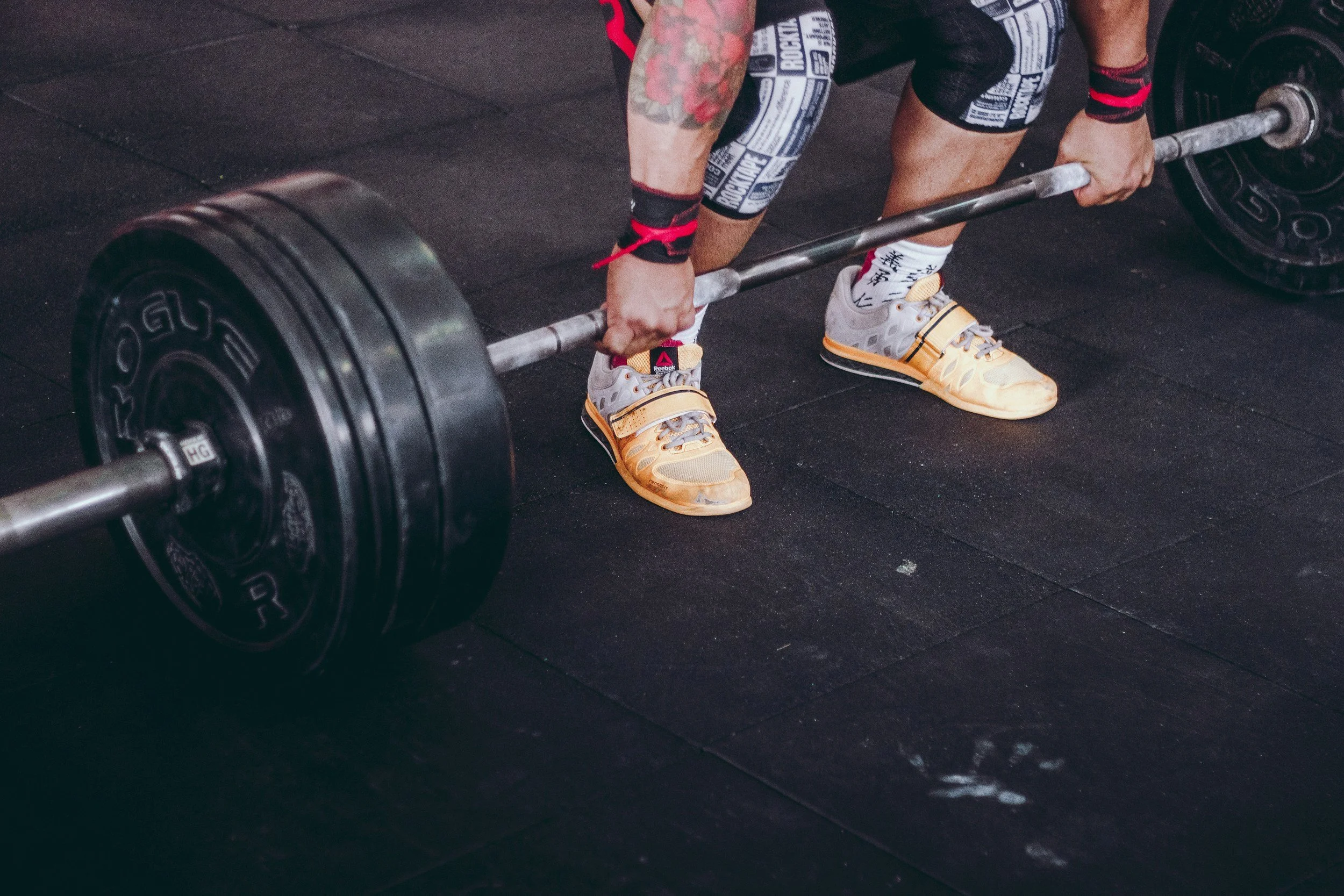
Ask your team for a written answer to four questions: When should I confirm a sensor reading? When should I check ketones? How does my usual correction plan apply after lifting? What follow-up monitoring do I need?
You deserve a plan that lets you respond without improvising under a loaded bar. Contact Enigma Nutrition for help reviewing fueling and training patterns alongside your diabetes team. Start with the T1D strength-training guide for the broader preparation checklist.
Sources
Riddell et al. (2017), Exercise management in type 1 diabetes: a consensus statement
EASD/ISPAD (2020), glucose management for exercise using CGM and isCGM
American Diabetes Association, Hyperglycemia (High Blood Glucose)
EASD/ISPAD (2025; online 2024), automated insulin delivery around physical activity