The Joy of Movement: 3 Psychological Reframes for Exercise
When you think about exercise, do you picture a walk with friends, learning a skill, or just going through the motions?
Your answer can help you choose movement that fits your preferences and circumstances. Below are three reframes to explore. They are not an exercise prescription or a guarantee of motivation or happiness every day. They offer a way to think about something that matters to your health without assuming everyone wants the same experience.
1. Ask, “What movement would I choose?”
Start with your preferences. Do you want to spend time outdoors, socialize, learn a skill or enjoy a quieter setting? Look for a movement option that offers something you value right now.

These preferences are not a hierarchy. You do not have to love every activity, and something another person enjoys may not appeal to you.
Get specific about what does not work
Is the pace too fast? Is the environment too loud? Are the movements unfamiliar? Would more instruction, support or a different setting make the activity more approachable?
Naming the problem can suggest a useful change. “I hate exercise” leaves the next step unclear. “I disliked the rushed pace of unfamiliar movements” points toward slower instruction or a beginner class. You can decide whether an adjustment is worth trying or whether another activity would fit better.
The Affective–Reflective Theory explores how feelings about exercise and deliberate intentions may interact. It is a theoretical model, not proof that positive thinking makes someone active or immediately relieves exercise-related anxiety. Brand and Ekkekakis: Affective–Reflective Theory of exercise (opens in a new tab)
Choose an activity you could reasonably explore this week, or identify the resources you need before trying it. You might find that it fits well. You might also discover barriers that require a different option. Both outcomes give you information.
2. Ask, “What can I realistically explore this week?”
A full fitness program may not fit a week with several competing obligations. Consider your available time, access, physical capabilities and any health or movement restrictions.
A brief walk, practicing familiar movements or finding a class that fits your schedule could be a starting point. Sometimes the first step is arranging childcare, locating an accessible space or asking a qualified professional for guidance.
Plan the practical details
Where will the activity happen? How long might it take? What supplies or equipment do you need? Clothing, transport, accessible equipment and a suitable location all affect whether an idea is workable.
If the first attempt falls through, it does not mean the next attempt must be more demanding. Review what got in the way and look for an alternative that fits.
A small starting point is not a complete exercise recommendation. It helps make your next action clearer. If you already follow a clinical recommendation or training plan, discuss how to adapt it when circumstances change.
Cost, pain, disability, fatigue and safety are real constraints. A change in setting, additional support or another activity may be more useful than trying to think positively about an unrealistic option.
A hypothetical first experiment
Someone enjoys being outdoors but cannot fit a distant class into their schedule. They choose a nearby activity with a friend to see whether the route and pace suit them. This is an opportunity to learn, not a commitment to repeat the activity indefinitely.
A demanding schedule is not evidence of laziness or disinterest. Let your planning account for the week you actually have.
3. Ask, “What did I learn?”
After trying the activity, notice what you enjoyed and what felt uncomfortable. Did the timing, setting or pace make participation harder? Would changing the duration, company or location address a problem?
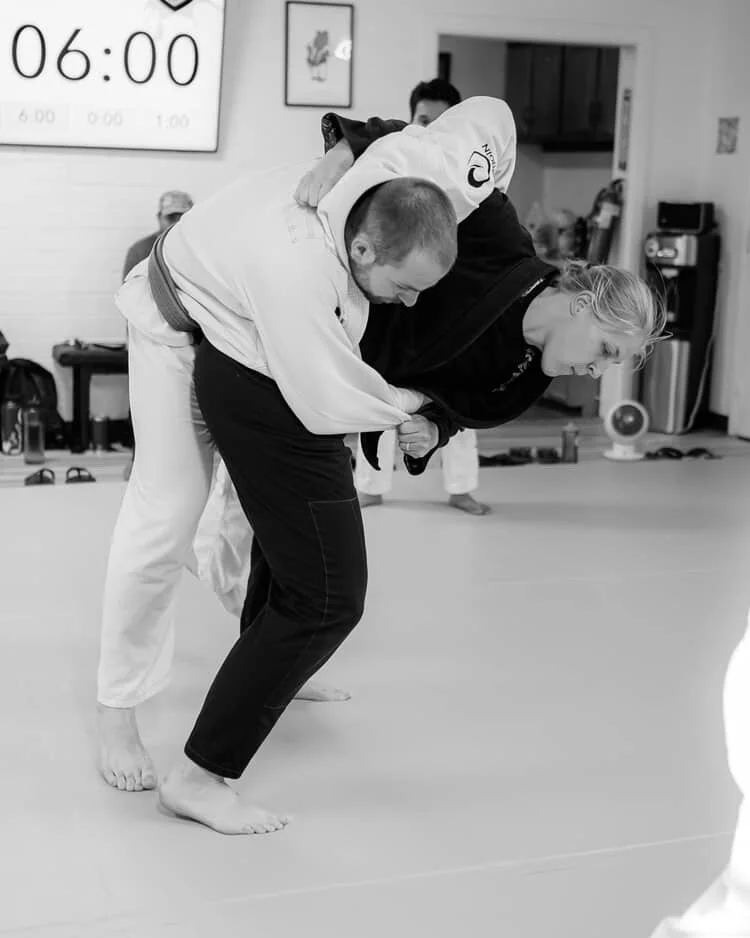

You might enjoy walking but dislike rushing before work. Another time could be worth trying. Or you may like a dance class but find the commute difficult. A closer option might fit better.
Keep reflection simple
A brief note such as “enjoyed the music, pace too fast” gives you something to use next time. You do not need to score every part of the session or create ideal conditions to learn from it.
A small observational study of previously inactive adults found an association between their feelings during an exercise test and later reported physical activity. It does not establish that an enjoyable experience causes a lasting exercise habit. Experience can still be useful information when choosing your next activity. Williams and colleagues: exercise experience and later activity (opens in a new tab)
Make room for your reasons to move
Social connection, time outdoors, sport, learning skills and enjoyment can all be reasons to move. They may change alongside your priorities, health and available resources. You can reassess your options without treating a new preference as failure.
The questions work together: choose something that interests you, make it practical to explore, then use what you learn. Your next choice can respond to that experience.
If coordinating meals around movement feels difficult, contact Enigma Nutrition to discuss your goals and available nutrition support. For another practical starting point, read How to Build Healthy Habits That Actually Stick.